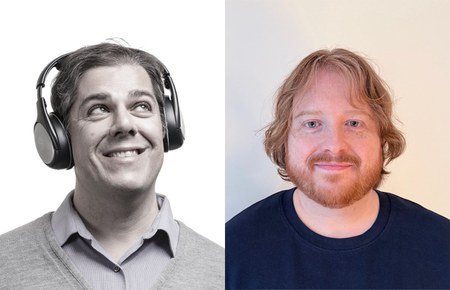
The lecture will take place in Tanna Schulich Hall (enter by level 2), followed by a catered reception in the lobby of the Elizabeth Wirth Music Building. This event is free and open to the general public.
Registration
No registration is required for this event.
**CIRMMT Students wishing to have their attendance tracked for awards eligibility, please make sure to scan the QR code available at the entrance of Tanna Schulich Hall.
We invite you to share this event on Facebook.
Abstract
Music has long been used to regulate emotion, reduce stress, and support healing, yet the mechanisms through which music exerts therapeutic effects remain only partially understood. This lecture presents the scientific and technological foundations of LUCID Therapeutics’ “transforming music into medicine” program, integrating perspectives from music psychology, auditory neuroscience, music therapy, and artificial intelligence. Presented jointly by LUCID Chief Science Officer Frank Russo and Chief Technology Officer Aaron Labbé, the talk will trace the development of personalized music-based digital therapeutics designed to regulate stress, anxiety, and neuropsychiatric symptoms across diverse clinical populations.
The presentation will describe how principles drawn from music therapy — including the iso principle and affective state matching — are combined with music information retrieval (MIR), machine learning, and generative recommendation systems to create adaptive listening experiences tailored to an individual’s emotional and physiological state. The architecture of the platform integrates large-scale music characterization, affective tagging, personalization algorithms, and auditory beat stimulation embedded within music to support emotional regulation and autonomic downregulation.
Findings from recent randomized controlled trials and retrospective studies drawing on real-world data will be presented, including outcomes related to anxiety, stress physiology, and dementia-related neuropsychiatric symptoms. Across studies, music-based interventions have been associated with reductions in cortisol, changes in EEG-derived neural dynamics, improvements in mood and somatic anxiety, increased parasympathetic engagement, and enhanced social and emotional wellbeing. The lecture will also address broader questions concerning personalization, absorption, and the emerging role of AI-driven music technologies within digital therapeutics and precision health.
Biographies
Aaron Labbé
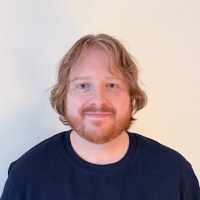 Aaron Labbé is the CTO and co-founder of LUCID, an audio technology and digital health company transforming music into medicine. He first conceived LUCID in 2015 during his thesis research at Toronto Metropolitan University, where he explored music as a scalable tool for mental health. LUCID’s breakthrough innovation, Resonance Rx, is an FDA-registered, Medicare-reimbursed software medical device and one of the first music-based therapies available by prescription globally. As a guest lecturer, speaker, and Forbes technology writer, Aaron's work explores how AI, music, and technology can expand human potential. His ideas and creative work have reached international audiences, with exhibitions and presentations at institutions including the Museum of Contemporary Art Toronto, Sónar Barcelona, and Xebec Hall in Kobe, Japan.
Frank A. Russo
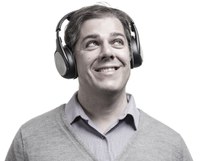 Frank A. Russo, PhD, is the CSO of LUCID and Professor of Psychology at Toronto Metropolitan University, where he directs the SMART Lab and serves as Scientific Director of the SingWell Project. His research explores how music and sound shape the brain, with a focus on aging, hearing, emotion, and social connection. Integrating neuroscience, psychology, and rehabilitation science, his work uses neuroimaging, physiological biomarkers, and community-based interventions to examine how music can reduce stress, support communication, and promote brain health. Dr. Russo is widely recognized for translating basic science into scalable digital and community-based health interventions with real-world impact. He is a Fellow of the Canadian Psychological Association and the Canadian Society for Brain, Behaviour and Cognitive Science, and a Senior Fellow of Massey College.